Bill Wells A lifetime of COMMITMENT
· Volunteer Firefighter 1972-1979
· Latonia UpTown Treasurer, 2022-2026
· South Covington Neighborhood Association founding member, President, 2006-2026
· Covington Neighborhood Collaborative (President, 2012 – 2014)
· Commissioner, city of Covington (2015 – 2019)
· Led the effort to ensure fiscal security by ending borrowing money for sal
· Volunteer Firefighter 1972-1979
· Latonia UpTown Treasurer, 2022-2026
· South Covington Neighborhood Association founding member, President, 2006-2026
· Covington Neighborhood Collaborative (President, 2012 – 2014)
· Commissioner, city of Covington (2015 – 2019)
· Led the effort to ensure fiscal security by ending borrowing money for salaries (2015)
· Proposed the reduction of combined sewer overflow in Peaselburg (2015)
· Advocated for adopting “OpenGov” making financial decisions open to citizens (2015)
· Steered city’s adoption of a Fleet Replacement Plan (2015)
· Worked with state representatives to improve Hands Pike in South Covington (2015)
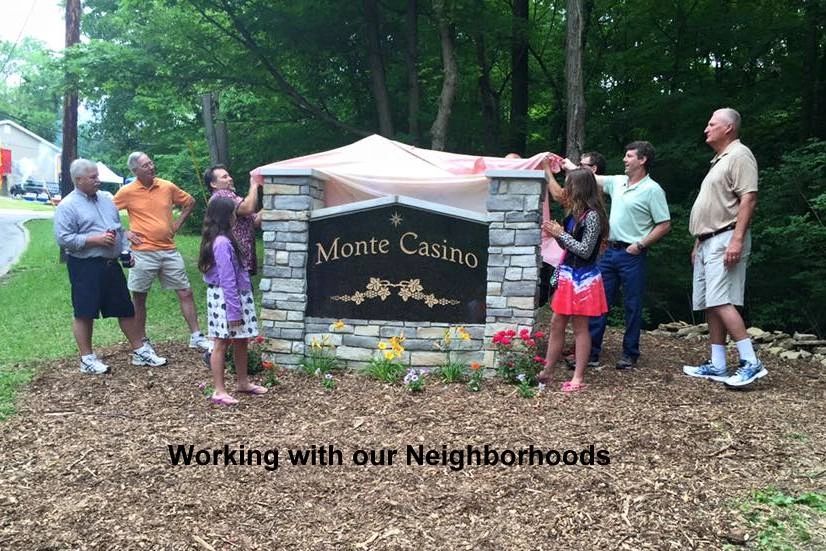
· I’ve been working with the neighborhoods for over 20 years, I don’t just show up during the election cycle, I’ve been there for DECADES.


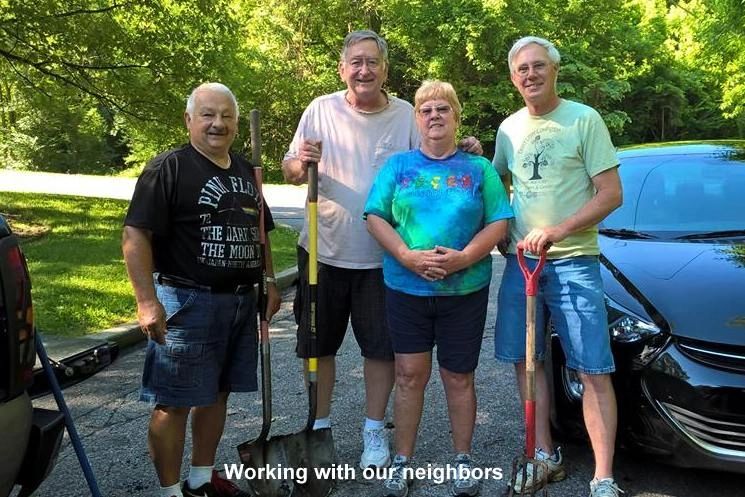
Working with neighbors in South Covington on beautification projects
Why Bill Wells for Covington Council Matters
#1 Public Safety
Covington’s Central Riverfront development and the Brent Spence Bridge project will significantly increase activity and risk along the city’s riverfront corridor. These changes place new demands on emergency response capacity. Covington currently operates five fire stations, but its primary station lacks the staffing and equipment needed to perform full fire‑suppression operations.
Public‑safety professionals in the city have long experience responding to complex incidents, and many have raised concerns about resource gaps. Rather than commissioning additional studies, some argue that leadership should work directly with fire‑service experts to develop an updated deployment and equipment plan that aligns with the city’s growing needs.
Transparency
In 2015, during my first year in office, I supported implementing OpenGov, a platform that made Covington’s financial information fully accessible to residents. It allowed people to see how much the city spent on projects, the operating costs of each department, and the sources of revenue that kept services running. I’ve always believed these dollars aren’t the government’s money — they’re the community’s money, and residents should be able to see clearly how it’s managed.
Transparency also depends on accurate, up‑to‑date communication. The city’s website should serve as the primary source of information for residents, and leadership changes within departments should be reflected there within 24 hours. Keeping this information current helps residents understand who is responsible for each area of city operations and strengthens trust in how the city is managed.
Affordable Housing
Is this a problem, I see it as a crisis
Facts
1. Median income per capita, from censusreporter.org, is $33,868
2. For a 2 income family, let’s call it $68,000
3. Rule of thumb is you can borrow 2.5 to 3 times your income, which would be $170,000 to $204,000 house value.
4. Median price of new single family houses in Covington is $350,000 to $550,000
5. Pleasant St. 2 houses being built at a sale price of $250,000-260,000
6. The city has a home buyer assistance program $15,000 forgivable after 10 years.
7. Let’s do the math $250,000-$15,000=$235,000 cost of house. Maximum loan affordable value is $204,000, best case would still be $31,000 short.
8. Let’s work these same assumptions, but for a single income family. Income of $34,000 would make the affordable value $85,000-$102,000. Same house, sale price after incentives $235,000-$102,000=$133,000 short.
I don’t know about you, but I see this as not a problem, I see it as a CRISIS.
Long time Covington residents are being priced out of their own neighborhoods.
It’s clear, at least to me that this “pilot program” is simply not going to work.
My solution is to create a Land Bank as an arm of the Housing Authority of Covington, and this will help solve 2 problems. 1) affordable housing and 2) vacant properties. We don’t need a duplication of services, we need more efficient government.
Finance
When you look at the share of total city revenue contributed by residents versus businesses, a clear pattern emerges.
In 2019, residents provided about 36% of total revenue while businesses contributed roughly 63%. Five years later, residents accounted for 41% and businesses for 58%.
Over that period, the balance shifted by about ten percentage points — a notable change in who is carrying more of the responsibility for funding the city’s budget.
One of the biggest challenges facing our city is our budget.
This is the last year we'll receive approximately $5 million in ARPA funding that has helped support city operations. That source of funding is going away, and we have to be prepared for what comes next.
To balance this year's budget, the city is also using $3.4 million from its reserves. Our total budget is $84.5 million, including $3.8 million in debt service. These numbers make it clear that we must plan carefully for the future.
Fiscal responsibility is one of the most important duties of our newly formed City Council. Throughout my career, I've managed budgets, made difficult financial decisions, and understood the importance of living within our means. I know the challenges ahead, and I'm prepared to help make the thoughtful, responsible decisions needed to protect our city's financial future.
My commitment is to be a careful steward of your tax dollars, prioritize essential services, and work to ensure our city remains financially strong for years to come.
Collaboration
No city succeeds on its own. Strong leadership means building strong partnerships.
I support holding a joint caucus at least twice a year with the City of Covington, the Covington Independent School Board, and the Kenton County School Board. By bringing everyone to the same table on a regular basis, we can improve communication, coordinate our efforts, and work together to address the challenges and opportunities facing our community.
We also need to rebuild and strengthen our relationships with our state and federal elected officials. Those partnerships are essential to securing resources, advocating for our city's priorities, and ensuring our voice is heard.
Just as important are our partnerships with the agencies and utilities that provide critical services every day, including SD1, Northern Kentucky Water District, Duke Energy, and Owen Electric Cooperative. Working collaboratively with these organizations will help us better plan infrastructure improvements, respond to community needs, and provide reliable, high-quality services for our residents.
I believe the best results come when leaders communicate, cooperate, and focus on solving problems together—not working in silos.
Meet Bill Wells for Covington Council
I don’t show up just during the election cycle, I’ve been working with the neighborhoods for decades
Proven results that speak for themselves.
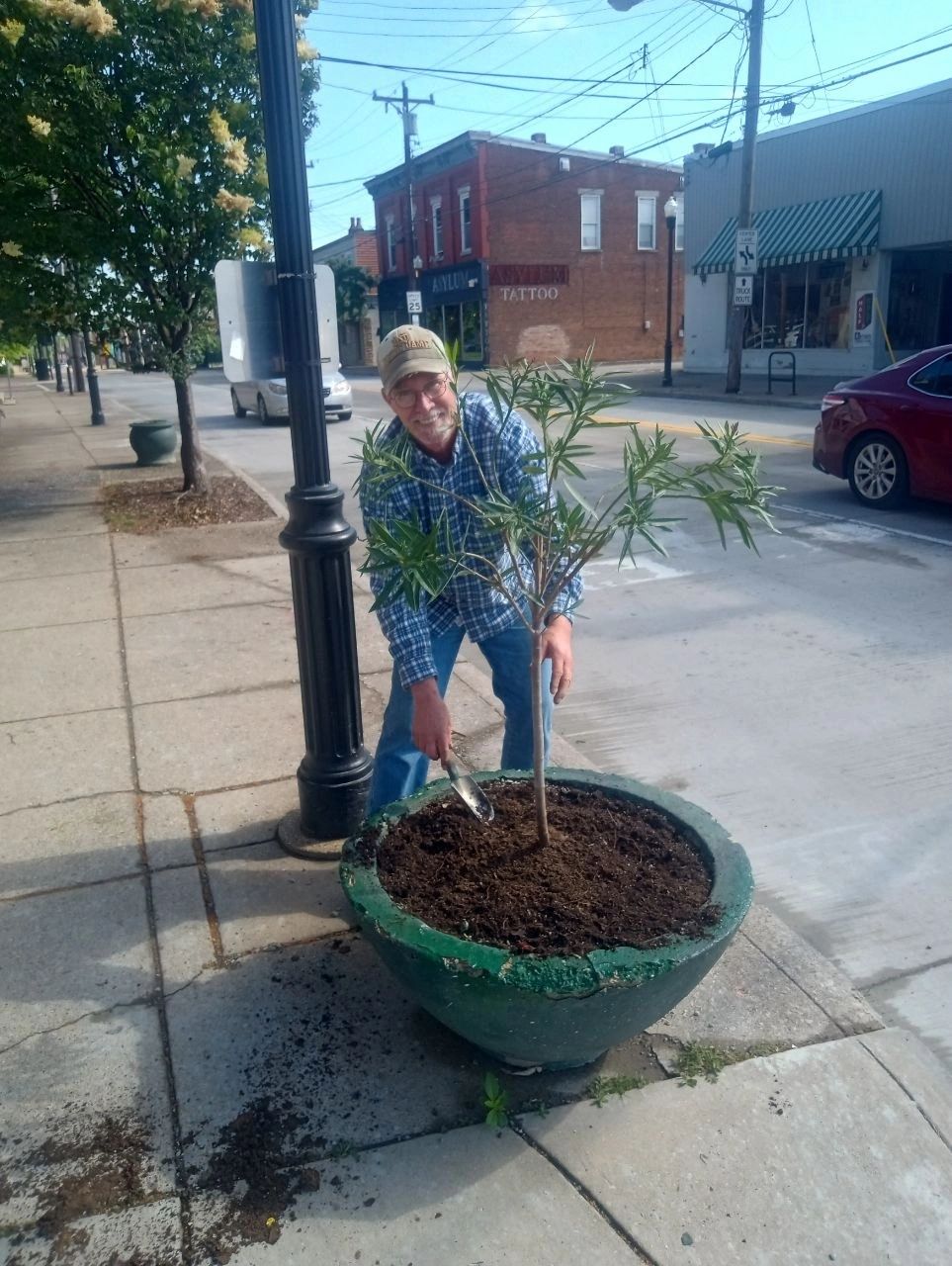
Latonia Planter Project
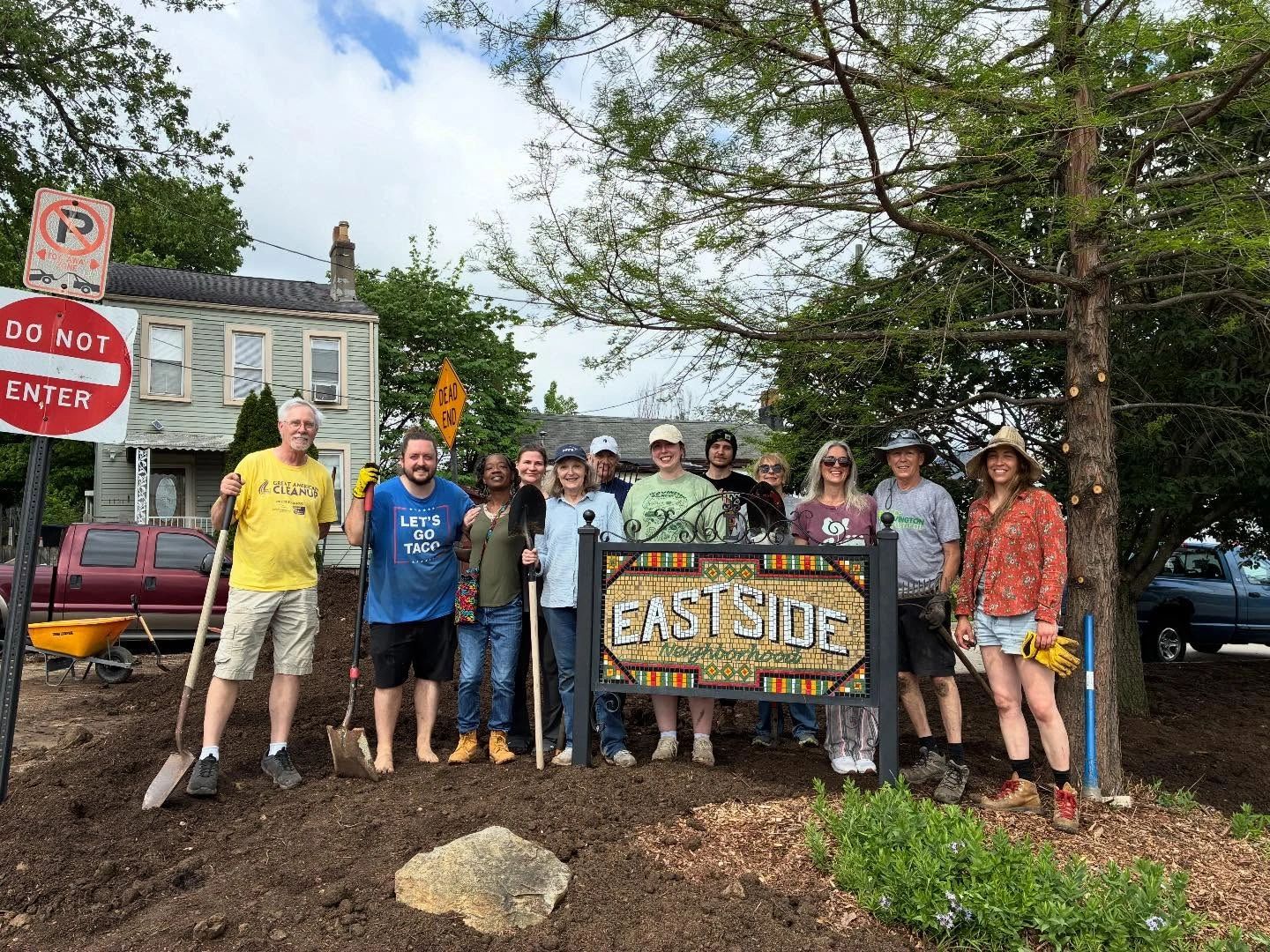
Working with the Eastside Neighborhood
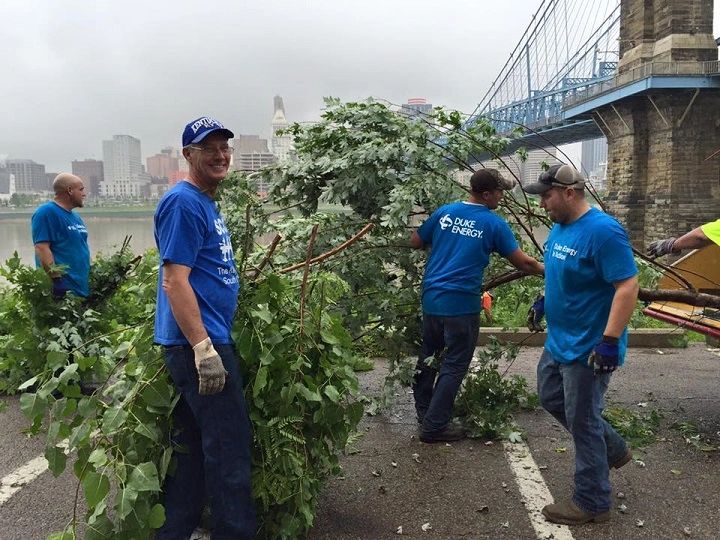
River Sweep
Working for the residents, to reduce Flooding
Proven results that speak for themselves.
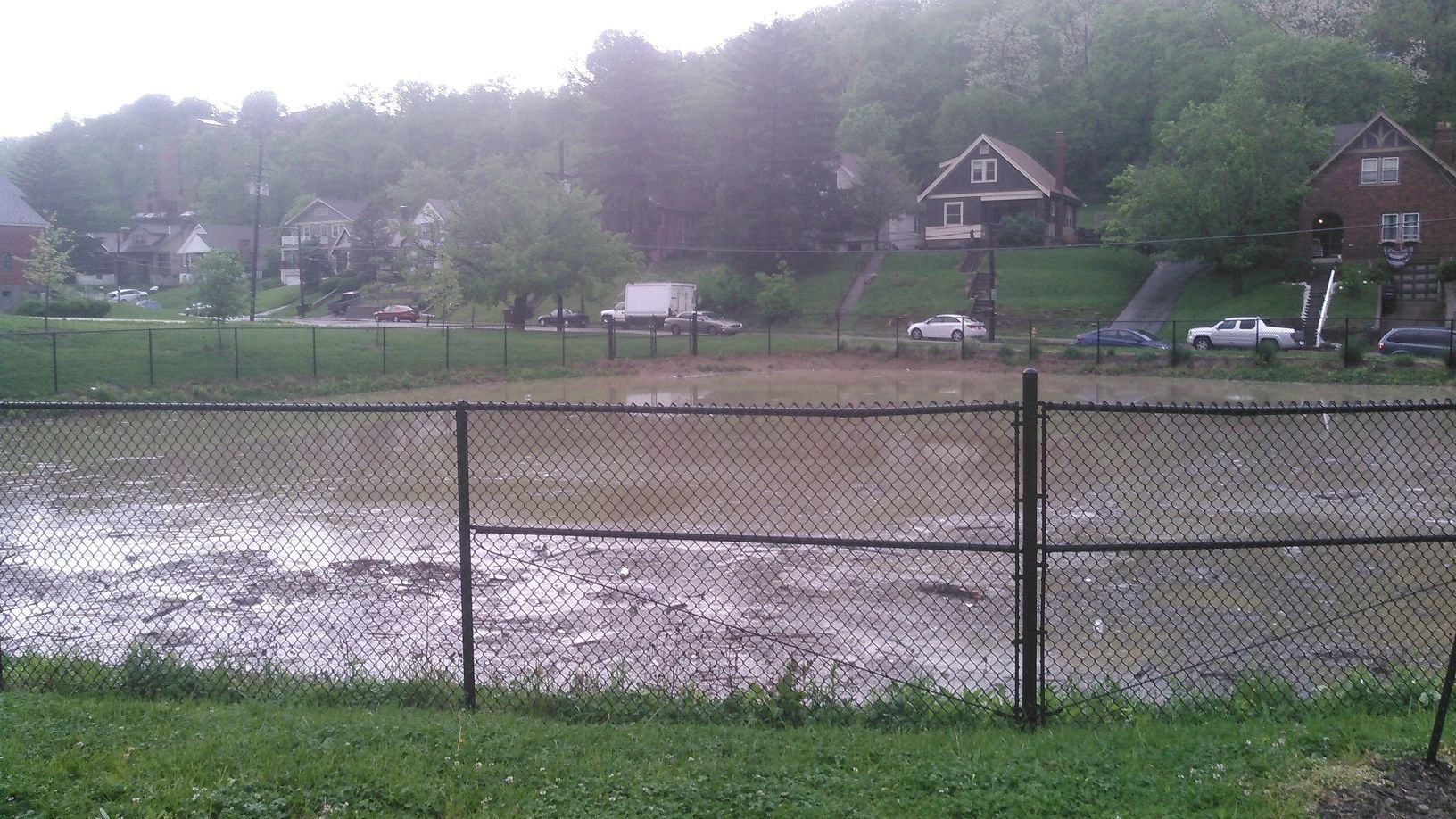
Finding Solutions
Proven results that speak for themselves.

Working with our Peaselburg Neighbors
Proven results that speak for themselves.
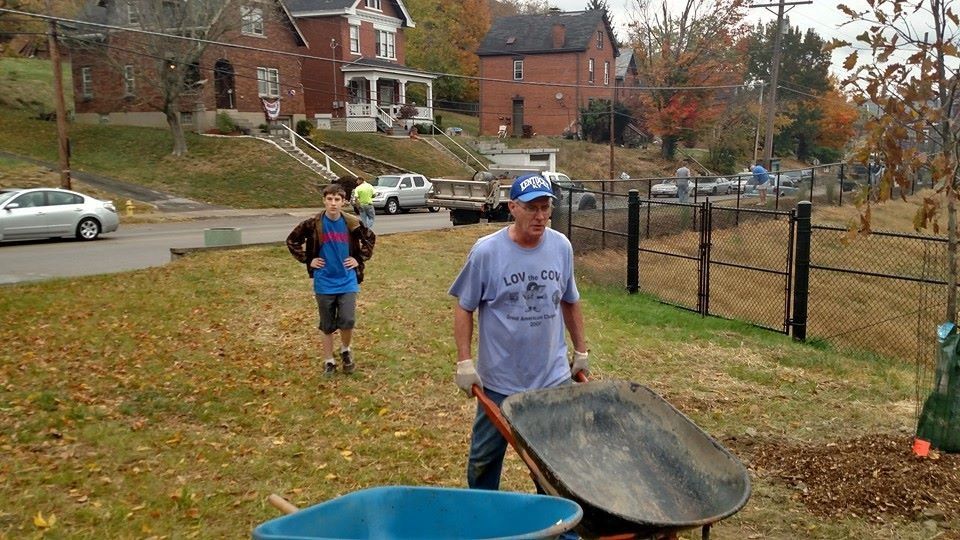
Leading by example
Proven results that speak for themselves.
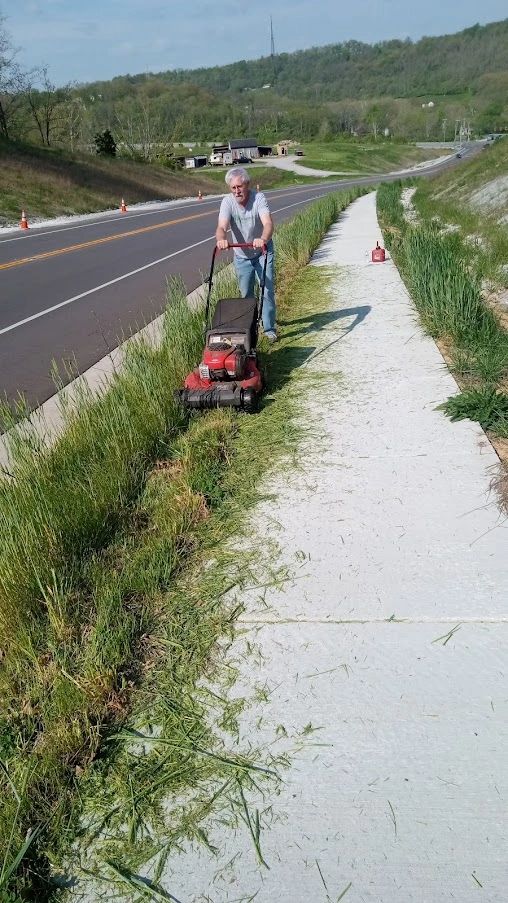
Rewarding years of service to the community
Proven results that speak for themselves.
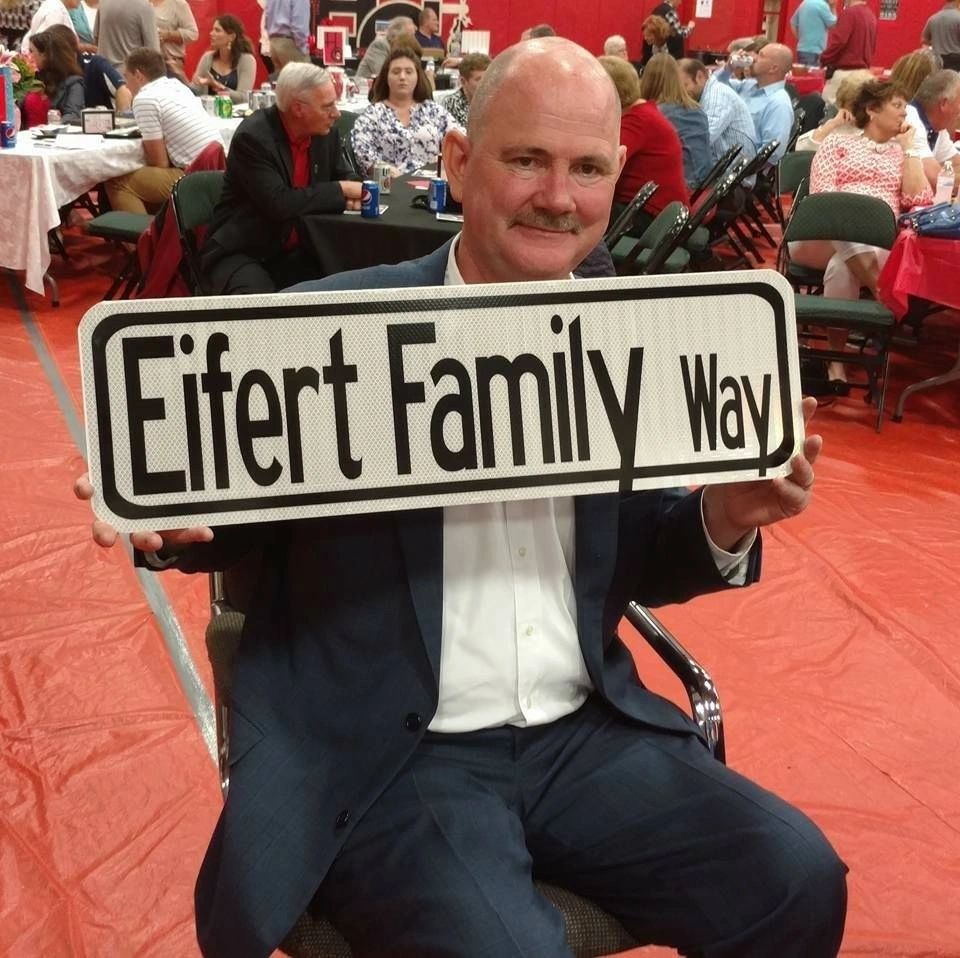
A Lifetime Commitment
Proven results that speak for themselves.
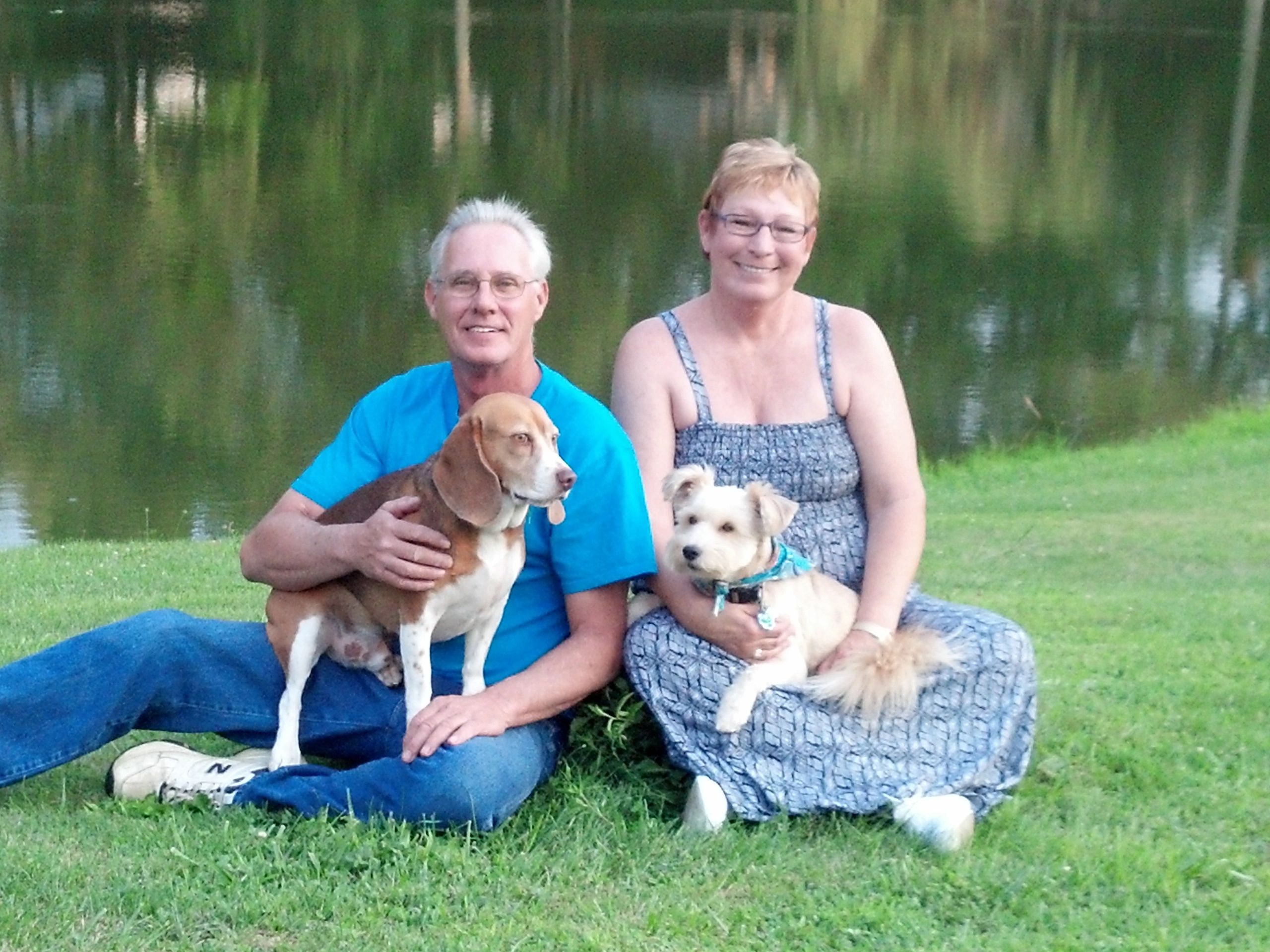
This is Peaselburg
Proven results that speak for themselves.
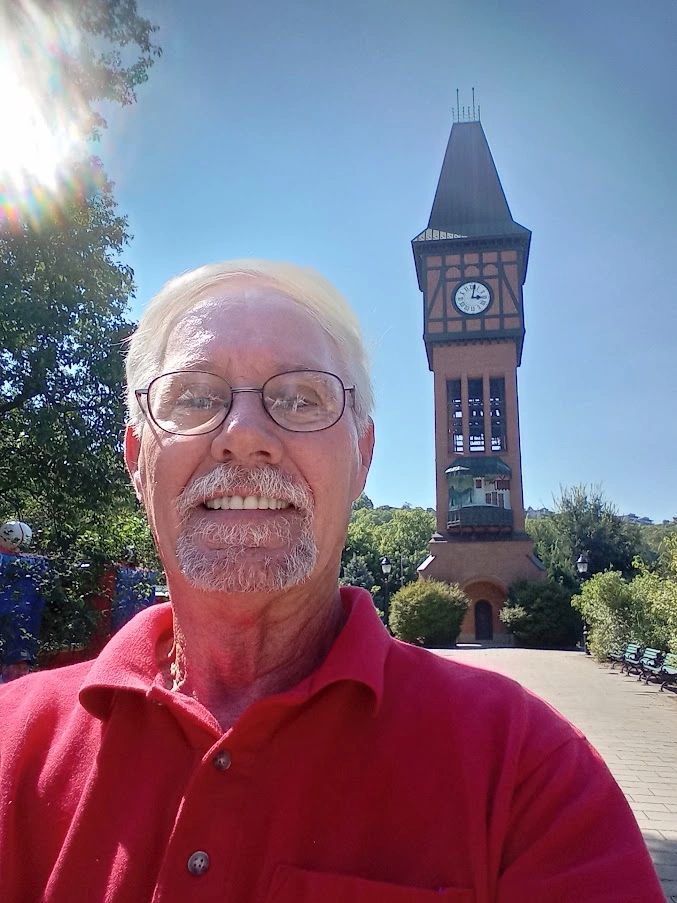
Mainstrasse
Proven results that speak for themselves.
This website uses cookies.
We use cookies to analyze website traffic and optimize your website experience. By accepting our use of cookies, your data will be aggregated with all other user data.